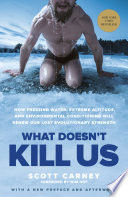
Wim Hof
Wim Hof (born 20 April 1959) is a Dutch extreme athlete, motivational speaker , and creator of the Wim Hof Method, renowned worldwide as "The Iceman" for his exceptional ability to endure and control physiological responses to extreme cold exposure. Born in the Netherlands as one of nine children, Hof first experienced a profound attraction to cold at age 17 while encountering ice on a canal , leading him to immerse himself and discover natural endorphin highs that prompted decades of daily cold exposure practices. Following the tragic suicide of his wife in 1995, which left him to raise their four children alone, Hof intensified his cold immersion routines in ice-cold rivers as a means of coping and building resilience, eventually channeling these experiences into developing his method; as of 2024, he faces allegations of domestic abuse from a former partner, which he denies and has contested via defamation lawsuit.
Hof has set 18 Guinness World Records related to cold endurance, including the longest full-body contact with ice (1 hour, 53 minutes, and 2 seconds in 2013), the longest swim under ice (57.5 meters in 2000), and the fastest half-marathon on ice and snow barefoot (2 hours, 16 minutes, and 34 seconds in 2007). Other notable feats include climbing Mount Kilimanjaro in shorts without supplemental oxygen and running a half-marathon above the Arctic Circle in minimal clothing. These accomplishments, achieved without specialized training beyond his self-developed techniques, have earned him global recognition and appearances in media, including BBC's Freeze the Fear with Wim Hof .
The Wim Hof Method combines specific breathing exercises—characterized by cycles of deep, rhythmic inhalations followed by exhalations and breath holds—with gradual cold therapy exposure and a mindset of commitment to foster physical and mental resilience. Hof teaches this method through workshops, apps, and online programs, claiming it enables practitioners to voluntarily influence their autonomic nervous system, reduce inflammation, and enhance immune function, though the method carries risks including reported drownings during breath-holding exercises in water. Scientific interest in the method has grown, with a landmark 2014 study demonstrating that trained practitioners, coached by Hof, could suppress innate immune responses and increase epinephrine levels during induced endotoxemia, suggesting conscious control over typically involuntary processes. A 2018 neuroimaging study further revealed that Hof's practices activate higher-order brain regions associated with pain suppression and autonomic regulation during cold exposure, indicating potential neural adaptations for stress resistance. While subsequent research, including a 2024 systematic review, notes promising anti-inflammatory effects but highlights the need for more robust, large-scale trials to substantiate broader health claims amid mixed evidence quality, the method has influenced celebrities and athletes worldwide as of 2024.
Wim Hof was born on April 20, 1959, in Sittard, Limburg, Netherlands, as one of nine children in a modest, working-class Catholic family.
From an early age, Hof felt like an outcast among his peers due to his introspective nature and interest in existential questions, which set him apart in his conservative upbringing. This sense of difference prompted him, at age 17, to leave home and move to Amsterdam, where he lived in a squatters' house, embracing a freer, unconventional lifestyle away from societal norms.
While in Amsterdam , Hof experienced his first intentional cold exposure during what he later described as a profound epiphany: compelled by an inexplicable attraction, he stripped naked and jumped into the icy Beatrixpark Canal on a frigid winter day, triggering an intense adrenaline rush and surge of mental clarity that left him exhilarated rather than distressed.