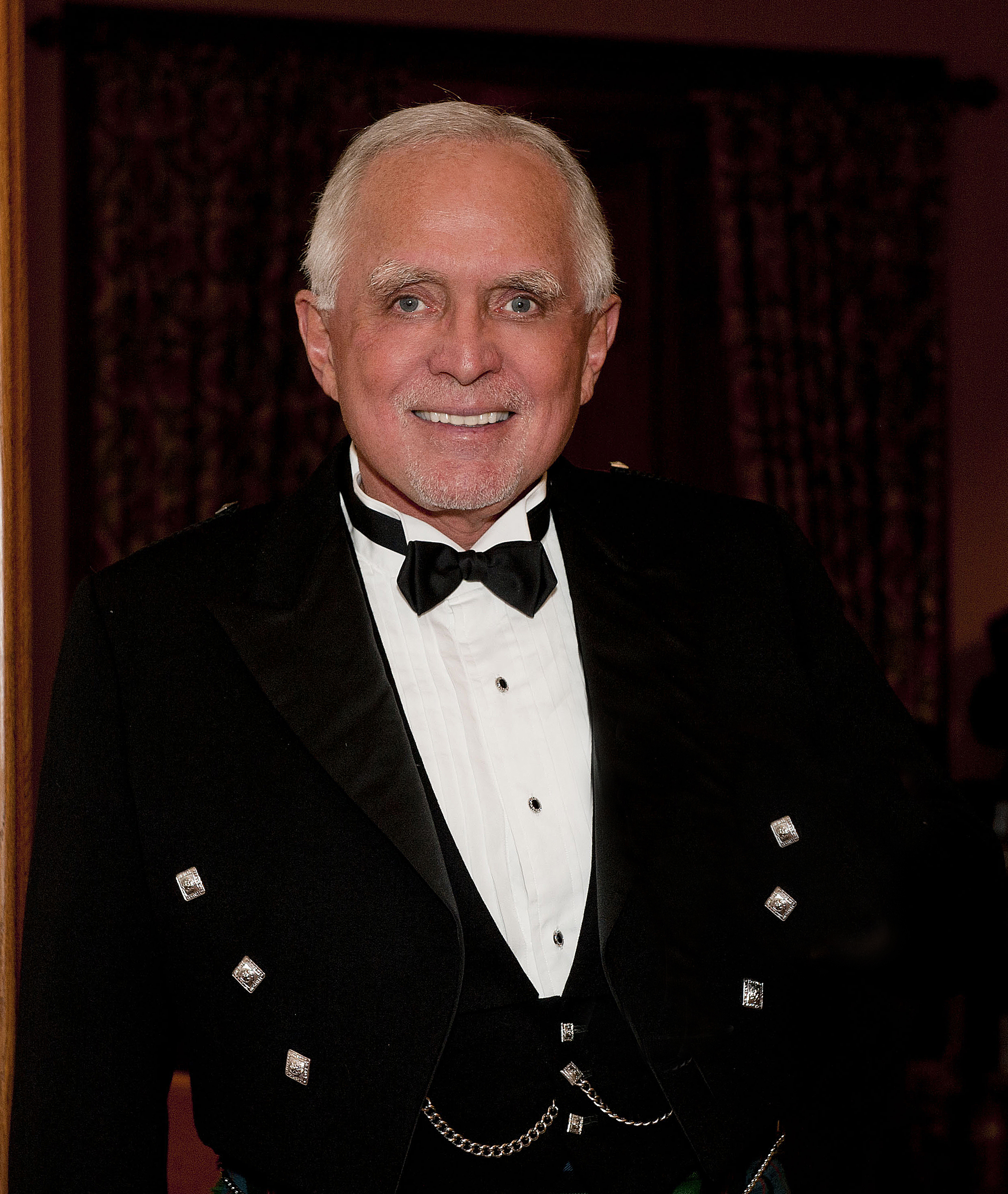
Dan Peña
Daniel S. Peña Sr. (born August 10, 1945) is an American businessman and executive coach recognized for his role in founding and leading Great Western Resources, Inc. (GWRI), a Houston-based natural resources firm, and for originating the Quantum Leap Advantage (QLA) methodology, a high-intensity framework aimed at accelerating business deals and personal performance.
Peña's career began as a financial analyst on Wall Street before he launched GWRI in 1982 with an initial personal investment of $820 and a small loan , purportedly scaling it to a valuation exceeding $450 million within eight years through acquisitions and a public listing on the London Stock Exchange . His tenure ended amid boardroom disputes leading to his removal as chairman and CEO, after which he pivoted to mentoring entrepreneurs via QLA seminars held at his acquired Guthrie Castle in Scotland , emphasizing relentless action, emotional control, and leveraged financing over incremental growth.
Peña styles himself as the "Trillion Dollar Man," attributing to his QLA program the facilitation of over $50 billion—or in some accounts, trillions—in deals closed by participants, though such figures derive primarily from his own promotions and lack comprehensive independent audits. His confrontational coaching , involving verbal challenges and physical posturing, has drawn praise for instilling discipline but also criticism for fostering intimidation , including documented incidents of aggressive interactions during events. Estimates of Peña's personal net worth range from $100 million to $500 million, largely tied to real estate like Guthrie Castle and seminar revenues, but remain unverified by public financial disclosures.
Daniel S. Peña Sr. was born on August 10, 1945, in Jacksonville, Florida , to parents Manuel and Amy Peña, whose heritage traced back through Mexico to Spain . His family soon relocated to East Los Angeles, California , where he spent his formative years in a predominantly Latino barrio characterized by entrenched poverty and limited opportunities. This environment, marked by modest living conditions—later exemplified by his childhood home being boarded up and demolished as a crack house—instilled early lessons in resourcefulness amid scarcity.
Peña's upbringing exposed him to frequent crime and violence in the neighborhood, fostering street-level survival skills from a young age. He associated with peers whose lives reflected the area's perils, including close friends who faced severe consequences such as lifelong imprisonment for murder . Adolescent activities centered on local hustles like playing 9-ball pool and navigating casual social dynamics, which honed an innate drive to seize opportunities in a high-risk setting. These experiences, coupled with repeated school expulsions—three times before third grade—underscored a pattern of defiance against institutional constraints, contributing to a mindset prioritizing personal agency over external validation.
Family dynamics further reinforced self-reliance, with his father, Manuel—a World War II and Korean War veteran who later worked as a Los Angeles police officer—employing strict discipline, including permitting police interventions as corrective measures for youthful infractions like alcohol-related arrests. This tough-love approach, rooted in the father's own rigorous background, contrasted with his mother's efforts to seek improved circumstances, such as relocating for better schooling, yet ultimately cultivated Peña's resilience against adversity. Such causal pressures from socioeconomic deprivation and paternal rigor laid the groundwork for an unyielding ethos of accountability, evident in biographical accounts of his early independence.
Dan Peña enlisted in the United States Army in June 1966 at the age of 20, entering as a private with no prior ambitions or direction. His service occurred during the Vietnam War era, a period of heightened U.S.