Podcasts / The Joe Rogan Experience / #914
Episode #914
#914 - Ryan Callaghan & Kenton Carruth
MeatEater is an American outdoor lifestyle brand and media company founded by author, hunter, and television personality Steven Rinella in 2012 as a television series, with MeatEater, Inc. formally established in 2018, centered on promoting ethical hunting , fishing , wild game cooking, and wildlife conservation to foster a deeper connection with the natural world. Established in 2012 as a television series, it has evolved into a multifaceted platform offering content across video, audio, print, and merchandise, emphasizing sustainable practices and the full journey from field to table. The brand's core mission is to enrich lives through honest storytelling and expert guidance on outdoor pursuits, drawing from Rinella's expertise as a lifelong outdoorsman raised in a hunting and angling family. The flagship production, the television series MeatEater , premiered on January 1, 2012, on the Sportsman Channel, where Rinella explores remote wilderness areas worldwide, demonstrating hunting techniques, tracking prey, and preparing meals from harvested game. The show, now streaming on Netflix , has aired multiple seasons, including episodes on pursuits like elk hunting in the Rockies and turkey hunts in Texas , blending adventure with culinary innovation to demystify wild food preparation. Complementing the visuals, The MeatEater Podcast —hosted by Rinella and featuring guests from the outdoor industry—delves into topics ranging from conservation policy to hunting ethics, with episodes like discussions on historical shipwrecks tied to outdoor lore. Beyond media, MeatEater produces Rinella's bestselling books, such as Meat Eater: Adventures from the Life of an American Hunter (2012), which chronicles personal hunting stories and advocates for reconnecting with food sources, and offers branded gear including apparel, optics, and cooking tools designed for ethical outdoor enthusiasts. The company, headquartered in Bozeman, Montana, actively supports conservation through partnerships with organizations promoting sustainable hunting and fishing, such as highlighting poaching busts and habitat protection efforts. As of 2025, MeatEater has grown into a major player in the outdoor sector, generating over $100 million in annual revenue while maintaining its commitment to authentic, non-sensationalized portrayals of nature. MeatEater is a non-fiction hunting and outdoor lifestyle television series that follows host Steven Rinella as he pursues game in remote wilderness areas, processes the harvest on-site, and prepares wild game meals to highlight self-sufficiency and the value of wild foods. The show emphasizes the full field-to-table experience, from tracking and ethical harvesting to cooking over open flames, promoting a deeper connection to nature and sustainable practices. Rinella, an accomplished author and outdoorsman known for his books on hunting and wild foods, brings authenticity to the series through his expertise and passion for conservation. Thematically, MeatEater focuses on ethical hunting principles, environmental stewardship , and the cultural significance of wild game consumption, encouraging viewers to appreciate the natural world and its resources responsibly. It distinguishes itself by avoiding trophy hunting narratives, instead prioritizing sustenance, tradition, and ecological awareness in diverse terrains across North America and beyond. The series premiered on January 1 , 2012, on the Sportsman Channel and has since expanded its reach while maintaining its core format. As of November 2025, MeatEater has aired 13 seasons, comprising over 130 episodes that showcase a variety of hunts and culinary explorations. Each episode of MeatEater follows a standard 30-minute runtime, typically comprising about 22 minutes of core content after commercials.
Dracula is a film series of horror films from Universal Pictures based on the 1897 novel Dracula by Bram Stoker and its 1927 play adaptation by Hamilton Deane and John L. Balderston. Film historians have had various interpretations over which projects constitute part of the Dracula film series. Academics and historians have found narrative continuation between Dracula (1931) and Dracula's Daughter (1936), while holding varying opinions on whether Son of Dracula (1943), House of Frankenstein (1944), and House of Dracula (1945) are part of the series. Author and academic Gary Don Rhodes has stated that all of Universal's Dracula films would require audiences to be familiar with Count Dracula as portrayed by Bela Lugosi, and the various character traits the actor established in the original 1931 film. The only actor from Dracula to return as a character in any sequel is Edward Van Sloan who returned as Van Helsing in Dracula's Daughter; here renamed Von Helsing. The films following Dracula's Daughter do not continue the narrative set-up by the first two films. House of Frankenstein and House of Dracula feature a Count Dracula who only makes brief appearances in the film with a different appearance and character. Film academics and historians have commented that the narrative inconsistencies were made for commercial reasons, such as Universal wanting to name their new horror films after family members, as was done for Son of Dracula, as they had done with films like Bride of Frankenstein (1935) and Son of Frankenstein (1939). Academic Megan De Bruin-Molé has contested that the inclusion of Count Dracula in House of Frankenstein and House of Dracula was part of Universal's approach to combine their horror characters as they had done with films like Frankenstein Meets the Wolf Man (1943), to establish themselves as the "real" home of horror in the film market. Following the success of the 1931 film and several horror sequels made in the 1940s, various Dracula remakes and follow-ups were announced that never went into production, such as Wolf Man vs. Dracula. While Dracula (1931) was critically well received on its release, retrospective critical analysis of the film since the 1950s have often criticized the film for being "plodding", "stagebound" and "talkative". The sequels have continued to receive mixed reception with the authors of the book Universal Horrors writing that "by the mid-40s they were on their last legs anyways." The first two films in the series helped establish the tropes and image of classical screen vampire. This take on the cinematic vampire is defined by an unreflecting figure driven by a craving for both the young woman of his desire and for human blood as sustenance. The image of Count Dracula in the first film would not only influence the look of the character in Universal's series, but the look of the character across several films, comic books, and television presentations.
About this episode
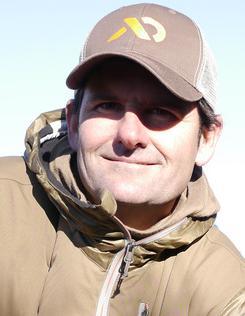
Ryan Callaghan is an outdoor enthusiast & Director of Conservation and Public Relations at FirstLite and Kenton Carruth is the co-founder of FirstLite.
Reviews
Sign in to write a review.