Authors & Guests / Norman Ohler

Norman Ohler
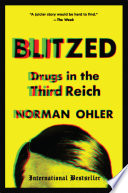
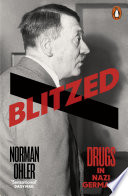
Norman Ohler (born 1970) is a German author, screenwriter, and journalist specializing in historical non-fiction and experimental fiction. His breakthrough work, Blitzed: Drugs in the Third Reich (originally published in German as Der totale Rausch in 2015), documents the pervasive role of methamphetamine (Pervitin) and other pharmaceuticals in the Nazi regime's military operations and Adolf Hitler's personal regimen under physician Theodor Morell, based on archival records from German institutions. The book became a New York Times bestseller and prompted renewed scholarly interest in pharmacological influences on wartime performance, though it faced criticism from some historians for overstating causal links between drug dependency and strategic outcomes like the Blitzkrieg or policy decisions. Earlier in his career, Ohler pioneered digital literature with Die Quotenmaschine (1995), recognized as the world's first hypertext novel, and penned novels such as Mitte and Stadt des Goldes (translated as Ponte City ), alongside screenplays and journalism for outlets like Der Spiegel . Residing in Berlin as a freelance writer, Ohler's oeuvre blends narrative innovation with evidentiary historical inquiry.
Norman Ohler was born on February 4, 1970, in Zweibrücken , a town in the Rhineland-Palatinate region of West Germany . He grew up in a small town environment during the post-war era, engaging in typical childhood activities such as playing tennis and idolizing tennis star Boris Becker as a personal hero.
Ohler's family background included generational ties to the Nazi period, which he later reflected upon as influencing his historical interests. His grandfather served as a railroad engineer in occupied Czechoslovakia during World War II , where he contributed to installing tracks used for deporting Jews to concentration camps, including witnessing transports bound for Theresienstadt. The grandfather recounted to young Ohler an anecdote from playing the board game Mensch ärgere Dich nicht , during which he described seeing a freight train carrying Jewish prisoners and even glimpsing a child's hand protruding from it, but claimed inaction due to fear of reprisal from the SS; he also shared personal Nazi Party artifacts, such as a membership booklet and swastika pin.
As a teenager, Ohler learned of his grandparents' indirect involvement in Holocaust-related activities, a revelation that profoundly shaped his worldview and motivated his later explorations of National Socialism, though details on his parents remain limited beyond a period of strained communication during his early adulthood while writing his debut novel. In the 1980s , his grandfather expressed lingering nostalgia for the perceived "order" of the Nazi era, describing adherents as "clean-cut," which contrasted with Ohler's emerging critical perspective on family history.
Ohler studied philosophy and cultural sciences at Humboldt University in Berlin prior to formal journalistic training. Following his Abitur and completion of mandatory social service, he enrolled at the Hamburg School of Journalism, a renowned institution for practical media education in Germany . During his studies there, Ohler began contributing articles to major publications, including Der Stern and Geo , gaining early professional experience in reporting and feature writing.
Upon graduating from the Hamburg School of Journalism, Ohler worked as a freelance journalist for outlets such as Der Spiegel and Stern , focusing on investigative and cultural topics. Geo commissioned him to cover South Africa's political transition from apartheid to democracy for a special issue, providing hands-on international reporting experience.
Books by Norman Ohler
Other works by Norman Ohler
More books by this author — not yet covered in our podcast catalog.