Authors & Guests / Michael Easter
Michael Easter
Easter is the principal feast of the Christian liturgical year, commemorating the resurrection of Jesus Christ from the dead three days after his crucifixion, as described in the New Testament of the Bible. Observed annually on a Sunday, it marks the culmination of Holy Week—the final week of Jesus's earthly life, which includes Palm Sunday (his triumphal entry into Jerusalem), Maundy Thursday (the Last Supper), Good Friday (his crucifixion and death), and Holy Saturday (his time in the tomb)—and concludes the 40-day season of Lent, a period of fasting, prayer, and penance in preparation for the resurrection.
The date of Easter varies each year because it is determined by the lunar calendar: in Western Christianity, it falls on the first Sunday after the first full moon (known as the Paschal full moon) on or after the vernal equinox, fixed as March 21 in the ecclesiastical calendar, resulting in Easter Sunday occurring between March 22 and April 25 in the Gregorian calendar. For example, in 2026, Easter Sunday is observed on April 5 in the Gregorian calendar used by Western churches. Eastern Orthodox churches, following the Julian calendar, calculate Pascha similarly but often celebrate it one to five weeks later than Western Easter, though efforts continue to align the dates across Christian traditions. The holiday's English name derives from the Old English Ēastre; according to the Venerable Bede, this was named after a goddess of spring and fertility associated with the month of April, though the etymology is debated and may instead relate to words meaning "dawn" or the direction "east". In most other languages, it is known as Pascha, reflecting its roots in the Hebrew Passover (Pesach), from which the timing originates.
Celebrations of Easter emphasize themes of renewal, hope, and victory over death, with central observances including sunrise vigils, Easter Masses or services proclaiming the resurrection, and the exchange of greetings like "He is risen!" Secular and cultural traditions, blending Christian symbolism with pre-Christian elements, feature decorated eggs representing new life and the empty tomb, the Easter Bunny as a symbol of fertility and rebirth, family meals with lamb or hot cross buns, and Easter parades or hunts for hidden eggs and treats. These practices vary by region and denomination but universally underscore Easter's role as a time of joy and reflection for approximately 2.6 billion Christians worldwide as of 2025.
The English term "Easter" derives from the Old English word Ēastre, which appears in the Anglo-Saxon calendar as the name for the month of April, known as Ēosturmōnaþ. This nomenclature is first attested in the 8th-century work De Temporum Ratione by the Northumbrian monk Bede, who explained that the month was formerly named after an Anglo-Saxon goddess Ēostre, in whose honor feasts were held, though the goddess's worship may have been limited or localized. Linguists trace Ēastre to Proto-Germanic *austrōn-, meaning "dawn" or "east," reflecting associations with spring renewal, a connection that parallels but does not directly derive from broader pre-Christian spring festivals.
In contrast, most other European languages use terms derived from the Greek and Latin Pascha , which originates from the Hebrew Pesach (Passover), denoting the Jewish festival commemorating the Exodus. This etymology entered Greek as Πάσχα ( Páskha ) in the Septuagint translation of the Hebrew Bible around the 3rd century BCE, and was retained in the New Testament to describe both the Passover and the Christian celebration of Christ's resurrection.
Books by Michael Easter

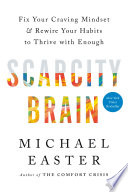
Other works by Michael Easter
More books by this author — not yet covered in our podcast catalog.