Authors & Guests / Bret Easton Ellis

Bret Easton Ellis
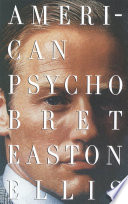
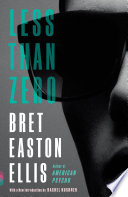
Bret Easton Ellis (born March 7, 1964) is an American novelist, screenwriter, and podcaster renowned for his minimalist prose and satirical portrayals of affluent disconnection, consumerism, and ethical emptiness in late 20th- and early 21st-century American life. His debut novel, Less Than Zero (1985), written as an undergraduate at Bennington College, depicted the aimless hedonism of privileged Los Angeles youth and established him as a voice of the literary Brat Pack. American Psycho (1991), narrated by a Wall Street executive turned serial killer, ignited intense backlash for its explicit depictions of violence and sex, leading publisher Simon & Schuster to abandon it amid feminist protests, before Alfred A. Knopf released it to commercial success and enduring cult status, with film adaptations of both this and Less Than Zero cementing his influence. Later novels such as The Rules of Attraction (1987), Glamorama (1999), Lunar Park (2005), and The Shards (2023)—a semi-autobiographical account of 1980s Los Angeles intertwined with a serial killer narrative—continued his exploration of fame, horror, and personal numbness. Ellis has also penned screenplays, including for The Canyons (2013), and hosts The Bret Easton Ellis Podcast , where he dissects film, literature, music, and cultural shifts, often challenging prevailing sensitivities around offense and identity.
Bret Easton Ellis was born on March 7, 1964, in Los Angeles , California , to Robert Martin Ellis, a property developer, and Dale (née Dennis) Ellis, a homemaker from a privileged background. The family resided in a gabled house with a pool in the affluent Sherman Oaks neighborhood of the San Fernando Valley, reflecting their wealth and status amid the materialistic ethos of 1970s Los Angeles. Ellis grew up with two younger sisters in this environment, where early exposure to suburban excess and family privilege foreshadowed recurring motifs of disconnection in his writing.
Ellis's relationship with his father was marked by profound tension, with Robert Ellis described as extremely angry, abusive, and philandering, behaviors that Ellis later characterized as worse than those depicted in his semi-autobiographical novel Lunar Park . By around age seven, these dynamics eroded Ellis's faith in adults, fostering a sense of emotional detachment that influenced his portrayal of fractured familial bonds and alienation. His mother provided a contrasting homemaking presence, though the paternal influence dominated accounts of his formative emotional landscape. This household instability, set against the backdrop of Valley materialism and casual infidelity , instilled a worldview attuned to the voids beneath affluent facades, themes Ellis has revisited in reflections on his youth.
Ellis enrolled at Bennington College in Bennington, Vermont , in the fall of 1982, graduating with a degree in 1986. He initially intended to pursue music as his primary field of study but divided his efforts between music courses and creative writing workshops, ultimately prioritizing the latter amid the college's emphasis on individualized, interdisciplinary education . The institution's writing program, known for fostering experimental and personal approaches, drew Ellis from his Los Angeles upbringing and shaped his early compositional habits, including a turn toward detached, economical prose reflective of urban disconnection.
Among his peers at Bennington were aspiring writers Jonathan Lethem , Donna Tartt , and Jill Eisenstadt, with whom Ellis formed lasting connections during shared social and literary circles on campus. These relationships exposed him to collaborative feedback and a competitive environment that honed his stylistic precision, as the group's mutual focus on narrative innovation—often drawn from personal observations of privilege and excess—influenced his thematic preoccupations with affluent alienation.
Books by Bret Easton Ellis
Other works by Bret Easton Ellis
More books by this author — not yet covered in our podcast catalog.